Cya Later Alligator

So this is it, we’ve reached the pinnacle. For those who are still reading and kept with me this entire time, I am very grateful. I am appreciative of the comments I have received throughout this semester’s journey. 
How can I wrap up my 10th and final blog post? I thought instead of my usual informative and on trend style news type blog posts we could look back at some of my favourite digital marketing campaigns in history. Fun right? I think so too. Here is my top 3:

3.  The Dollar Shave Club

You’ve probably heard of them by now right? Just about every male Youtube or Instagram influncer has plugged their products. What I love about this brand is that it has established itself as a relatable and personable brand through popular yet relatable influencers such as Shane Dawson.

Not only have they chosen their influencers perfectly they have also come out with some great content themselves. Dollar Shave Club don’t take themselves too seriously, which is why they are so relateable. Over 26million people have voluntarily watched this ad: 

2.  Uniqlo

We’ve all heard of Uniqlo but, did you hear about their mega successful digital marketing campaign? In over 100 brick and mortar locations globally, they had set up billboards of moving images. The passers-by were instructed to take a photo of the billboard and if they were lucky enough to capture a special 5 digit code in their image they were able to redeem it on their website for a clothing sample. This campaign reached over 4 million people   and received over 25,000 people to sign up to their email newsletters translating into over 35,000 new customers.

1. Spotify Wrapped 

It’s everyone’s favourite time of the year! The year is coming to an end, the sun is out in full force (well in Aus anyway) and Christmas is just days away! But wanna know what my highlight is in December? Seeing family? Meh. Opening Presents? Ugh. Getting access to my Spotify Wrapped – WOO HOO! I love this so much. This is as good as personalised marketing gets. I am a music lover, and I am sure you are too. There is nothing more exciting than finding out your most played songs for the year, the number of minutes taken to listen to music and your top 5 artists of the year. It definitely plays on the nostalgia that I have previously talked about here. This is campaign keeps me loyal to Spotify and also grants them great exposure as I know the day that this data is released just about everyone with Spotify loves to share their own #wrapped on social media. I’m counting down until my 2019 Wrapped! 

p.s. please relish in my terrible music taste with my 2018 Wrapped data (which I’ve kept all this time)

Well this is the end. I’ve made it. You’ve made it. Post #10. Who knows maybe an employer will come across this and think I’m great and hire me, in the meantime, I hope you enjoyed reading my blogs and more importantly I hope I receive the HD I deserve. Also if you haven’t yet picked up on the theme, my blog is called Digital Meerkating, each title of my posts has an animal, and the title image has that corresponding animal, don’t ask me why, I guess it’s just marketing 🙂
Title Image: https://www.regliss.com/martine-roch-lanimal-humain/martine-roch-l-animal-est-humain-03/

Wolf in Sheep’s Clothing

Fake it til you make it, I often hear people say, but at what point should we stop faking it? When is faking something immoral and just down right creepy, well insert the latest augmented reality technology of – Deep Fakes. That’s right, you’ve probably heard of it by now haven’t you? But have you ever really thought about it? For those out of the loop here’s a quick little catch up;

  • Deep Fakes can be both audio and video
  • Someone is doing or saying something they haven’t done in the real world
  • These visuals/audio clips are manipulated using technology which allows them to appear almost indistinguishably life-like.
  • Normally the image of a celebrity is used/stolen

If you still need more information or you’re just curious click here

Ok so it’s a little gross yeah? Let’s play a game. Can you guess which of these 3 videos is the deep fake?

Option Number 1
Option Number 2
Option Number 3

Well if you guessed Number 3, then well done, you’re good at spotting deep fakes! (or maybe because it was in the title..) Although it’s normally easy to spot a deep fake because they usually are made to say something outrageous to garner attention, it’s easy to see how this can be used in a subtle and manipulative way. 

The marketing implications from this can be both good and bad. 

The negatives for marketers are quite obvious;

  • ‘Celebrity endorsement’ could all be faked leading to legal troubles
  • Trust may be lost if deep fakes are overused
  • Competitors could use deep fakes to tarnish your brand

I could be here all day listing the dangers of deep fakes but how about some of the positives:

  • Innovative and unique marketing content
  • More engaging content
  • Allow access to new markets 

Just recently, a campaign from Malaria Must Die used a deep fake of David Beckham to reach a broader audience of none English speakers. This was done so by manipulating Beckham’s mouth to be able to communicate in many different languages. This in turn allowed for more people to tune in and understand the message being spread. You can watch it here: 

So let me throw this back at you. What do you think about deep fakes?

What impact do you think it will have on marketing?

Should we really fake it til we make it? 


Hey you, yes, you! If you’re still reading this, and you’re keen to find out more; here is a nifty 7-minute Ted Talk you can watch:

Title Image: https://steemit.com/cryptocurrency/@sentineliau/scaling-out-of-trades

The Dark Horse

(Okay, maybe its a lion, but the title wouldn’t have made sense otherwise)

https://brave.com

Are you sick of having Google know just about everything about you? Do you enable this yourself through using Gmail, Google Chrome and Google devices for just about everything? Well a new competitor, Brave, is gaining traction quickly in the web browser space, and it might just be the next step in digital privacy.

Not only is this browser focussed on ‘providing a deep level of security and privacy protection’ alongside including a built-in adblocker. So from a marketers point of view this could be hugely dangerous, and could completely shake up digital advertising online as we know it if this really begins to take off.

So why is Brave allowed to block ads? How is revenue made for organisations that would normally receive ad revenue? Well this is where the creative, and I think, really exciting part comes. Brave lets you reward favourite your publishers with blockchain-based tokens or keep them for yourself, I can’t claim to be an expert on this so here’s a quick run-down:

So if you’ve come to the same conclusion as me (hopefully I haven’t had one too many wines whilst writing this) then you would agree that this means content becomes a much stronger catalyst for engagement. Once engaged, you are rewarded, and then you are able to give back to those publishers who you get the most value out of, thus encouraging them to keep creating new content or otherwise keep these Basic Attention Tokens (BATs) to yourself. This new model is incredibly innovative, and could completely change how we browse if it gains further traction. I for one am open to this change. 

So now let me flip it back to you, the reader, what do you think? 

Do you like this new model of a more private and secure browsing? 

Or is it better the devil we know than the devil we don’t?


If you’re still interested in the topic, click here to watch what you can do with your BATs. 

This weeks blog was inspire by this article.


Title Image: https://www.gq.com/story/race-horse-wears-tweed-suit-what-a-world

A little birdie told me…

Something new is coming to Facebook in the not so distant future! It’s not exactly a feature that I am overjoyed about, but for digital marketers it could really shake things up!

Facebook is definitely not the first thing that will pop into mind when you think of trustworthiness, and advertisers are well aware of this too. In order to attack back at the recent scrutiny for anti-trust violations and to appease advertisers on the platform, Facebook has just announced a beta for new interactive ads for developers. Facebook has already begun to rollout their new in feed polling ads as seen here;

Facebook’s New Polling Ads

But these actual reality ads on Facebook could help to claw back some much-needed engagement from users. Facebook claims that polls in their advertisements improved brand awareness in 5 out of 9 studies. In terms of AR a recent example was makeup brand WeMakeUp who rolled out a virtual lipstick try on which boosted purchases by 27.6% (a demo of which can be seen in this article here). A demo game by Vans played on Facebook improved brand recall by 4.4% and increased brand favourability by 2.4%. The data appears to stack up to in favour of these new actual reality ads so I imagine we will be seeing a lot more in the near future. 

I think ads which allow people to get involved and play with, will definitely be beneficial for not only the advertiser but also the consumer. I know I’d rather play a game than watch a video, what do you think?

Would you use an interactive ad?

Would you feel more trusting of a brand because of the interactions made available?

Title Image: https://www.thisiscolossal.com/2013/08/second-skins/

No Time to Monkey Around

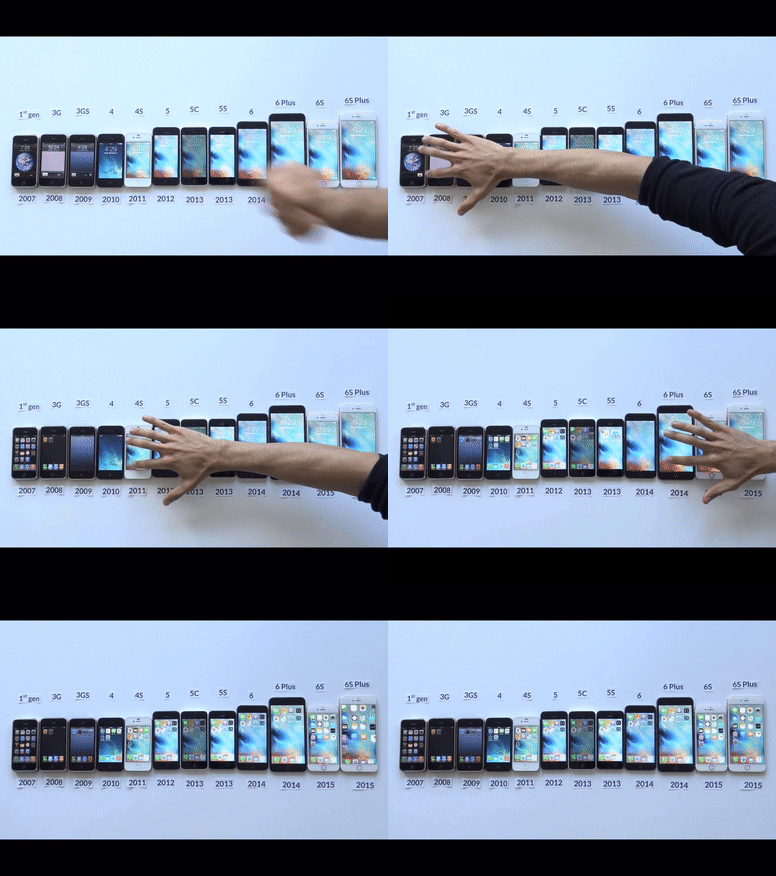
It’s that time of year of again! No, I’m not talking about Spring (it doesn’t quite feel like it yet does it). It’s the New Era of iPhone! 

The unimaginably, ever innovative Apple has announced its new series of products that I need yet cannot afford. Three cameras!!! One for each zero in the price tag! Anyway, enough of me complaining. 

So what does this have to do with digital marketing I hear you screaming at your screen!?

Well Voila! This year Apple did something very different. Their September Keynotes are always very kept under wraps. Invite only, all cramped into an amphitheatre. So this leaves us normal folk, out of the loop until journalists start pumping out information. Last year they gave updates in real time on twitter. However, this year Apple and Youtube joined forces to Livestream the whole event, allowing for unprecedented access to the event as it happens (as long as you had a stable modem). Watch the reply here.

Source: Apple

Why would Apple take a previously exclusive event, out into the public domain for all to witness? 

Money. Why else would Apple do anything? 

Let’s face it, Apple has lost some of its hype with google searches after announcing their yearly iPhone update declining year on year. So by bringing their keynotes live into the public domain they are attempting to reignite the hysteria there once was. It worked on me, I watched snippets of it, I’m excited, I will now endeavour to update from my tired yet beloved iPhone 7 Plus. 

Did you watch the livestream?

Do you feel Apple’s loss of hype? Or has this helped to reignite it? 

Title Image: https://fineartamerica.com/featured/great-ape-carlos-de-las-heras.html

I Can Smell a Rat

In the digital world people are always trying to capture your attention, but where can we draw the line? What’s the difference between good digital marketing strategy and blatantly misleading the consumer?

Recently, there has been a rise in ‘kidfluencers,’ children promoting things to other children. Ryan from Ryan ToysReview has some incredible kidfluencer statistics. He has amassed an enormous following of 21 million subscribers on Youtube, has even been crowned as the most viewed YouTube Channel EVER and according to Forbes topped the Youtube earnings list last financial year where he raked in 22 Million USD. 

Not bad for a 7 year old. 

So what does deceptive marketing and a cute little 7 year old have in common? 

Quite a lot apparently.

On the 28thof August Truth in Advertising (TINA) filed a deceptive advertising complaint against Ryan ToysReview. The main issues with this channel is that Ryan targets children under the age of 5 and advertises toys through his sponsored partners, whilst it may be obvious to the adult eye that he is clearly paid to promote certain products, his target audience of those under 5 are not as capable of identifying the difference between an ad and just general content. There is a lack of transparency to those children watching that what they are watching is effectively an ad. This is where the deceptiveness arises. It is illegal to advertise a sponsored product unless it is clearly and conspicuously disclosed in a manner that can be easily comprehended by the intended audience. Since his audience is unable to comprehend the concept of an advertisement Ryan and his channel are violating FTC Law. 

Where do you stand on this issue? Do you think it is ethical to target advertisements to children who are yet unable to comprehend its intents and purposes? 

Title Image: https://www.pinterest.com.au/pin/352899320780678847/

You can’t teach an old dog new tricks, or can you?

Have you heard the news? She’s coming back. Who, you ask?

Lizzie McGuire.

Hillary Duff announced this herself. Of course, Disney aren’t renewing this just because it’s something we didn’t know we needed. This is an excellent tactic to give their new online tv and movie streaming service, Disney+, some much needed traction before its launch world-wide in November.  

Nostalgia seems to be a huge trend lately in the marketing world. Retro styled clothes, revamps of old Movies (Lion King, Mulan, IT) and retro fonts and styles throughout ad campaigns. Nostalgia sells. It elicits higher perceptions of self-continuity, ultimately leading into a more favourable attitude towards the brand and a greater intent to purchase a product, regardless of the product type.

Why is it the nostalgia makes us feel all warm and fuzzy inside? Nostalgia is considered to be a blend of not only emotion, but a thought process also. This form of ‘blended emotion’ involves more than just feeling an emotion, it requires the consumer to be cognisant of what they are perceiving and relate it back to a reference in one’s past. In a world that is so fast paced a hit of nostalgia can bring calming feelings onto a person as it shows a level of continuity in life and a sense of stability. 

So, are throwbacks the marketing future? Old songs behind new ads? Old characters reimagined? Old jokes rehashed? Personally, I’m loving this trend. There is nothing better than a throwback hit of nostalgia. Do you love this trend, or do you hate it? What’s your favourite nostalgic moment in advertising? Personally, I’m hoping AAMI revamp Rhonda & Ketut soon.

Title Image: https://caseantiques.com/item/lot-665-three-3-prints-vlaminck-lepere-and-laurencin/

What really gets my Goat?

If there is one thing, I think the whole population can agree on, this might just be it. Ads. We all hate them. Watching a funADVERTISEMENTny dog video? Scrolling throADVERTISEMENTugh Instagram? Who gets the final rose on the BatchADVERTISEMENTelor on TenPlay? Intrusive right? Unfortunately, unless we all start paying for our current web browsing behaviours directly to the websites we use, or a new revenue stream is suddenly created, ads are here to stay online. 

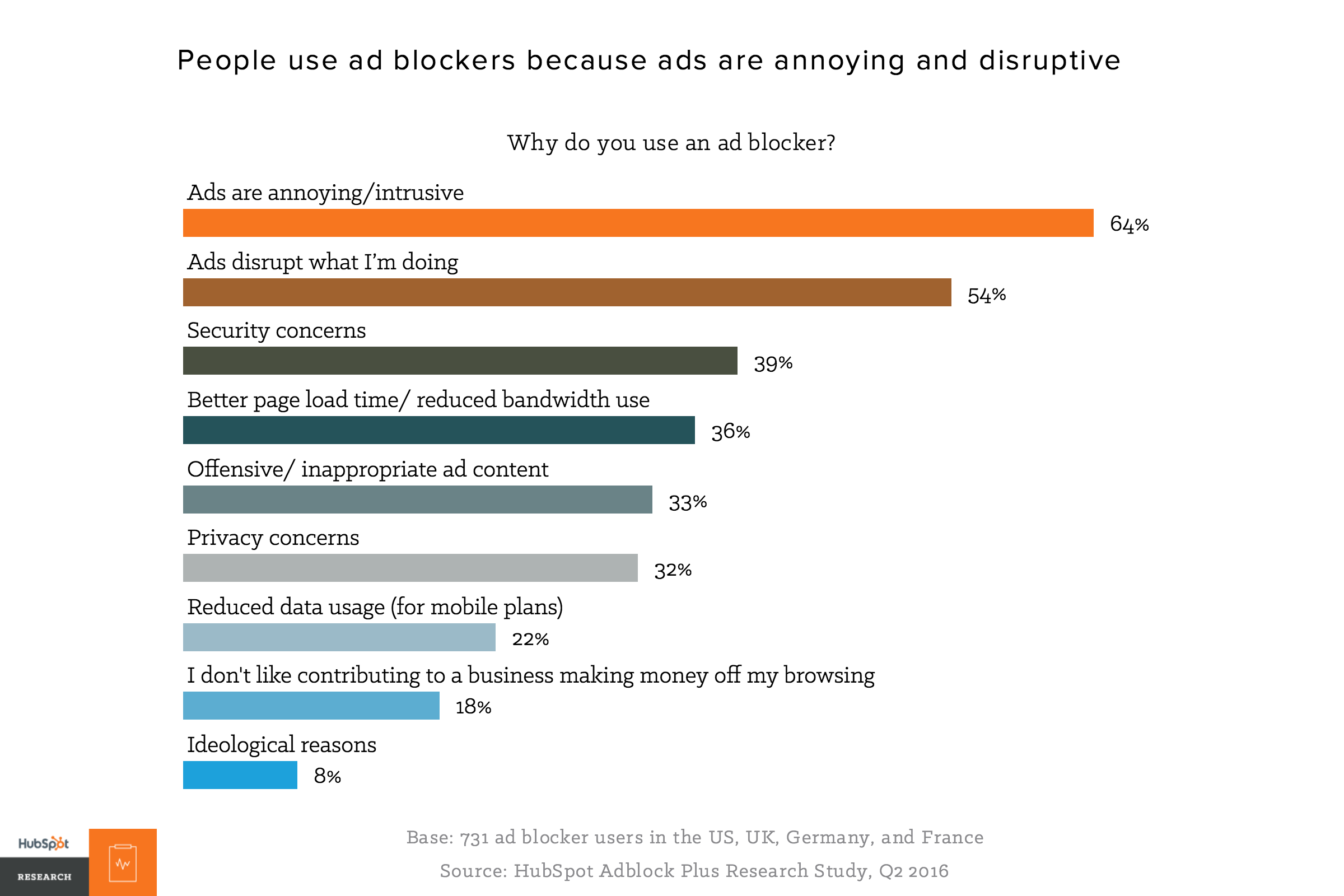
91% of people believe ads are more intrusive today in comparison to 2016, with 87% seeing an increase in ads appearing as well as people feel they are being virtually stalked at a rate of 79% due to targeted ads. 

Data Source

So with all this negative attitude towards online ads, are they even useful?

Only 40% of people choose to purposely click on an advertisement with the intent of exploring further. Without having access to the data, it is a fair assumption that online ads must still be an effective touchpoint for consumers, leading to increased revenue for businesses otherwise online ads would cease to exist. So perhaps we should start looking at what the ads of the future will look like? What can possibly evolve within this online ad space to change the game of online ads forever?

We’ve seen the use of audio/visual ads, interactive ads and pop-ups (my most hated!!) So, what’s next? What will be new wave of effective and exciting ads? I would love to hear your thoughts.

Until next week! 


Cover Image: https://atechnologyjobisnoexcuse.com/2013/04/16/gentleman-goat/

The Elephant in the Room

Ok it’s not quite an elephant. But it’s definitely in the room. Whether you’re aware of it or not, this particular elephant is listening, constantly, to everything you’re saying. Whether your elephant is named; Alexa, Siri, Echo, Home Pod, Google Home or any other name they will be listening and interacting with us. It has been predicted that by 2020, 50% of our searches will be conducted via voice or imagery. So what does this have to do with digital marketing? 

https://thewiredshopper.com/google-home-vs-amazon-echo-vs-apple-homepod/

While these devices are constantly listening for us to command them to perform a task, they are collecting our information, our data. Have you ever spoken to a friend about a certain item of clothing or even a holiday destination, for it to then within a matter of hours pop up as an ad on your devices? No, you’re not the only one. No, it’s not a coincidence. 

In terms of marketing, these devices capture key words and collate data with which it can sell to organisations allowing for more targeted ads. Despite this being a somewhat creepy form of technology, it is great for marketing. It means you can personally tailor an advertisement to a consumer who has mentioned and discussed the same product that you are selling, meaning you can help to specify your target audience. This allows for a better return on advertising investments. 

The question is, how ethical can this be?  

Samsung in 2015 were caught in a scandal for their Smart TV whereby in their privacy policy it stated;

“Please be aware that if your spoken words include personal or other sensitive information, that information will be among the data captured and transmitted to a third party through your use of Voice Recognition.”

This caused outrage from consumers and caught headlines all over the world.

There is a paradox which is formed by consumers who expect hyper-convenient technology in every facet of their life, but are indisposed to allow the constant listening which may be a necessity (Rediger, 2017).

What do you think? 

Are you willing to compromise privacy for convenience?

Cover Image: https://weheartit.com/entry/31397051

What’s News Pussy Cat?

I’m sure we have all heard it by now, deep breath, it’s scary, but Instagram has removed likes. That’s right. No more likes. Well sort of. But let’s delve into it a little deeper. What are the consequences of Instagram (albeit trialling) the removal of likes?

Initially, when implemented into a person’s account the message ‘We want your followers to focus on what you share, not how many likes your post gets,’ (Instagram, 2019). So, how will this change the way people share? Will people suddenly stop sharing their brunch pictures? I doubt it.However, what it has done for the realm of marketing is seriously hinder the access to relevant data and statistics. After all, likes are just a way of measuring how engaging and widely spread a post is from those outside looking in. 

My cynical view tells me there is more in it for Instagram than meets the eye. Instagram aren’t going to remove such a fundamental feature unless there is something in it for them, or moreover, for their shareholders. Instagram is profiting off this initiative, and wrapping this under the blanket of doing it for the greater good. The removal of likes hinders the ability for influencers to influence as their analytics become more private and thus, organisations wishing to sponsor real people to promote their products becomes increasingly difficult. This is where profit hungry Instagram comes in. Instead of using influencers to promote products, Instagram wants a slice of this pie, so people will now, more often, turn to promoting directly through Instagram ads. For example, I run the social media for a recently established outdoor clothing company and part of my role is to identify up and coming adventurers, trying to justify why we should send them some free gear in return for promotion. Without being able to see how many likes they receive all I have to go by is their follower count which does not help to show their day-to-day engagement. 

Yes of course, the impact on mental health is one not to be overlooked. There is no doubt in that removing likes will help improve the mental health of many users who feel anxious, sad or even depressed due to the little number shown underneath their post. But, if there were to be no monetary return for Instagram, would Instagram have really cared?

Title Image: https://fineartamerica.com/featured/cat-gentleman-wind-zao.html

Design a site like this with WordPress.com
Get started